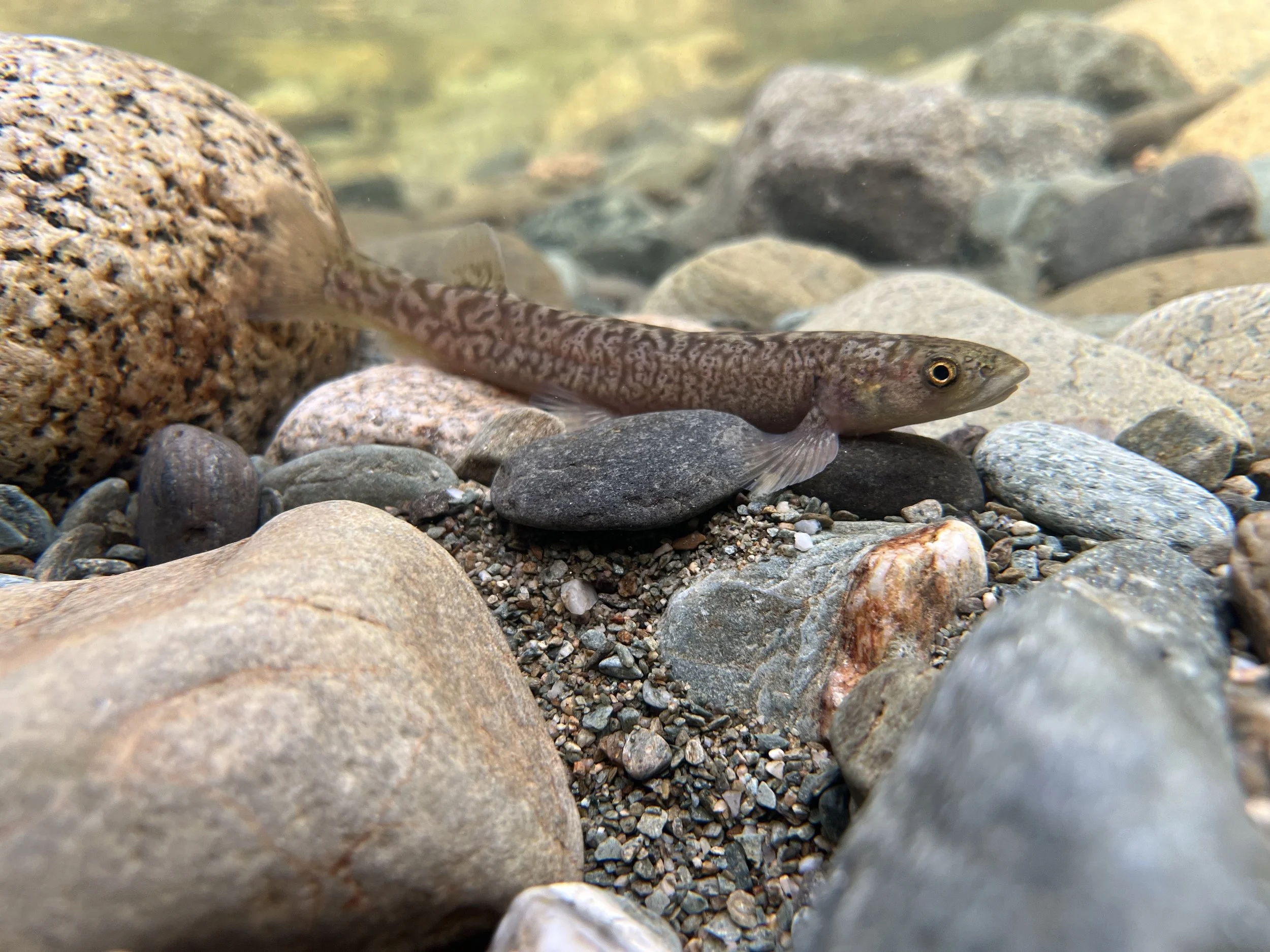
Native Fish Bounce Back Following Treatment of Mine Water Discharges
Long-term monitoring revealed how kōaro (Galaxias brevipinnis) populations responded to remediation of acid mine drainage (AMD) in a tributary of the Ngākawau River, West Coast New Zealand.
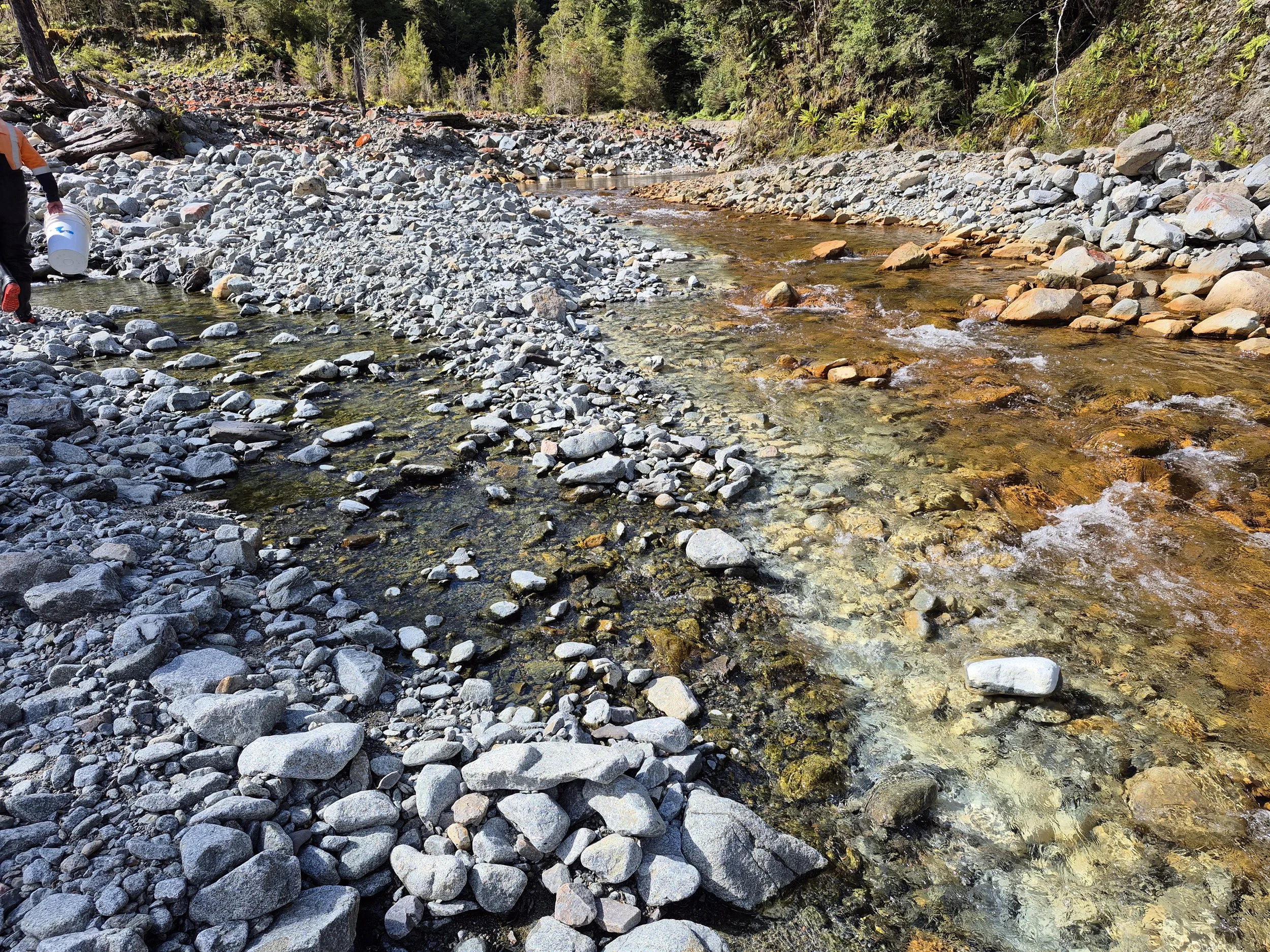
Acid mine drainage (AMD) can significantly reduce fish diversity in river systems and create chemical barriers that restrict migration into otherwise suitable headwater habitats. This was suspected to be the case for streams draining Brunner Coal Measures affected by historic AMD, based on fish surveys conducted prior to AMD treatment (2005). There are now data for fish surveys undertaken across eight sites (including reference streams) over a 21-year period (2005–2026), incorporating pre-remediation and multiple post-remediation sampling events. Water quality parameters including aluminium concentration, pH have been analysed alongside biological data, with results assessed against thresholds suitable for naturally acidic West Coast streams.
Following remediation, kōaro abundance increased markedly within two years, with populations initially dominated by juveniles (<100 mm). Over the following 2 decades, size structure stabilised, with populations becoming predominantly composed of larger individuals (>100 mm). Since then, population structure and abundance has been consistent, indicating a stable, self-sustaining population with no evidence of recruitment limitation.
These results demonstrate ecological recovery following AMD remediation and highlight the importance of long-term monitoring in evaluating biological responses.